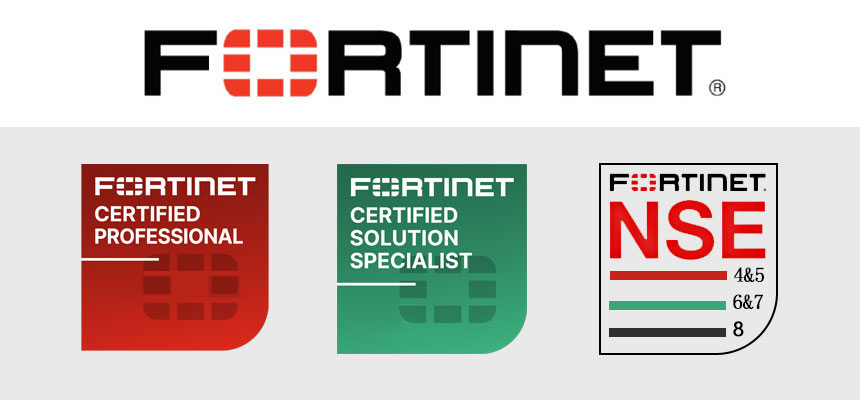
You’re probably overwhelmed right now. Too many Fortinet certifications, confusing paths (FCP, FCSS, NSE), and every blog tells you something different. The real problem? Most of them don’t actually help you decide. If you pick the wrong exam in 2026, you’re not just wasting money—you’re wasting momentum in a brutally competitive cybersecurity market.
Let’s fix that.
Fortinet Certification Path Explained (FCP vs FCSS vs NSE)
Evolution of Fortinet Certifications in 2026
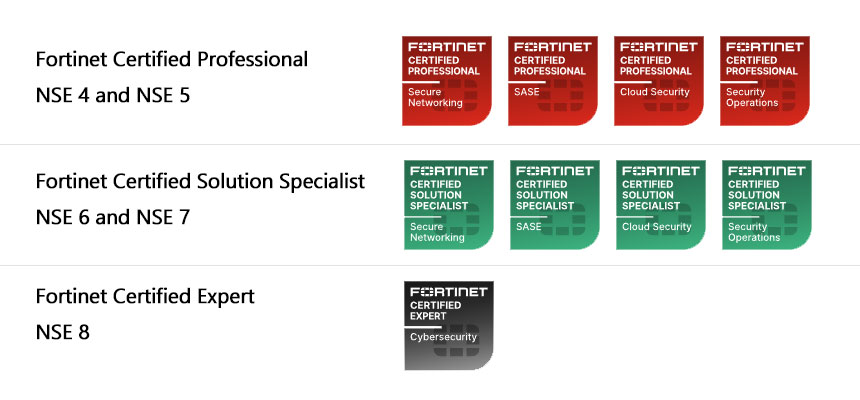
Here’s the uncomfortable truth: the fortinet certification 2026 landscape is changing fast—and not in a simple way. Fortinet is restructuring its certification program, expanding from 5 to 8 levels and aligning certifications with real job roles like SASE, Security Operations, and Cloud Security . That’s not just a cosmetic change—it’s a signal.
They’re telling you something:
Generic firewall skills are no longer enough.
The transition from older tracks like FCP (Fortinet Certified Professional) and FCSS (Fortinet Certified Solution Specialist) back into a refined NSE structure is designed to map directly to how companies hire. Certifications are no longer “nice-to-have”—they’re tied to actual job functions.
And here’s the kicker:
89% of organizations prefer certified candidates . But not all certifications are equal.
How Certification Tracks Align with Job Roles
Think of the fortinet certification path like career lanes:
- FCP → Entry-level / hands-on admin
- FCSS → Mid-level / solution specialist
- NSE7+ → Senior engineer / architect / consultant
But here’s where most people mess up: they treat this like a ladder. It’s not. It’s a filtering system.
Companies don’t just want someone who knows FortiGate. They want someone who understands how FortiGate fits into a SASE architecture, integrates with SOC tools, and supports zero-trust environments.
If your certification doesn’t reflect that?
You’re invisible.
What the Cybersecurity Market Really Needs in 2026
Why SASE and Cloud Security Are Dominating
Let’s get real. The cybersecurity market in 2026 isn’t asking for “firewall engineers.” It’s asking for:
- SASE architects
- SOC analysts with automation skills
- Cloud security engineers
- EDR/XDR specialists
Why? Because infrastructure has changed.
Companies aren’t sitting behind a perimeter anymore. They’re distributed, remote, cloud-heavy—and under constant attack. That’s why certifications tied to SASE, SOC, and endpoint security are exploding in value.
The global skills gap is still massive, with millions of roles unfilled . But here’s the catch:
Those roles aren’t for basic firewall admins.
The Decline of Traditional Firewall-Only Roles
If your entire plan is:
“I’ll get NSE4 and become a firewall engineer”
You’re already behind.
Firewall-only roles are being:
- Automated
- Outsourced
- Integrated into broader security platforms
Even salary data reflects this shift. Entry-level roles stagnate, while advanced security roles command $140K–$200K+ compensation ranges .
So the question isn’t:
“Which certification is easiest?”
It’s:
“Which certification aligns with where the industry is going?”
NSE4 vs NSE5 vs NSE6 vs NSE7 – What Actually Matters
NSE4 – The Entry Ticket (But Not Enough)
NSE4 is everywhere. It’s the baseline. Almost every Fortinet job listing mentions it.
But let’s be blunt:
NSE4 alone has low ROI.
Yes, it helps you get interviews. Yes, it proves you understand FortiGate basics. But it doesn’t differentiate you anymore. The market is saturated with NSE4 holders.
Think of NSE4 as a driver’s license.
Necessary? Yes.
Impressive? Not even close.
NSE5 – Tooling and Management Layer
NSE5 is where things start to get interesting. It introduces:
- FortiManager
- FortiAnalyzer
- Centralized control and logging
This is where you move from “device admin” to “environment manager.”
But here’s the catch:
Not all NSE5 tracks are equal.
Some paths (like SSE-focused ones) are valuable. Others? Not so much—we’ll get to that.
NSE6 – Specialized Security Skills
NSE6 is underrated.
This is where you get into:
- EDR (Endpoint Detection & Response)
- Advanced threat protection
- Specialized integrations
In 2026, endpoint security is exploding. If ransomware hits, it’s not your firewall that saves you—it’s your endpoint visibility.
NSE6 certifications tied to EDR and automation are quietly becoming some of the best fortinet certification choices for mid-level professionals.
NSE7 – Real Enterprise Value
This is where the money is.
NSE7 certifications align with:
- Architecture design
- Complex troubleshooting
- Enterprise deployments
Salary data shows a clear jump here, with professionals moving into senior roles and significantly higher pay bands .
But here’s the key insight:
Not all NSE7 exams are equal either.
Which Fortinet Certifications Are Worth It (High ROI Picks)
Let’s cut through the noise. If you want real ROI in 2026, focus here.
NSE7_SSE – The SASE Goldmine
This is arguably the best fortinet certification right now.
Why?
Because SASE is where everything is going:
Secure access
Cloud-delivered security
Zero trust
Companies are actively hiring for SASE roles—and there’s a shortage of people who actually understand it.
If you’re choosing just one high-impact cert:
This is it.
NSE7_SOC – Security Operations Leadership
SOC is no longer just monitoring alerts. It’s about:
Threat hunting
Automation
Incident response
NSE7_SOC positions you for roles that are directly tied to business risk, not just infrastructure.
And guess what companies pay for?
Risk reduction.
NSE6_EDR – Endpoint Security Surge
This one is sneaky powerful.
Endpoint attacks are increasing, and companies are investing heavily in EDR tools. NSE6_EDR gives you a foothold into:
Endpoint detection
Threat containment
Incident response
It’s not flashy—but it’s highly employable.
NSE5_SSE – Smart Mid-Level Bet
If NSE7 feels too far right now, this is your bridge.
NSE5_SSE aligns with:
Cloud access security
Secure connectivity
SASE fundamentals
It’s one of the few mid-level certs that actually aligns with future demand.
💡 Leads4Pass Tip: Don’t just study theory. Use real labs, practice exams, and scenario-based prep. The difference between passing and actually getting hired is massive.
Which Certifications Are Losing Value (Be Careful)
Now the part most blogs won’t tell you.
NSE5_FNC (NAC) – Niche and Shrinking
Network Access Control sounds important—but in reality, it’s becoming:
- Highly specialized
- Less in demand compared to SASE
Unless your company specifically uses it, the ROI is limited.
Pure NSE4 Path – Oversaturated
Thousands of candidates have NSE4.
Employers know this.
So when they see only NSE4 on your resume, they think:
“Entry-level. Replaceable.”
That’s harsh—but accurate.
Single-Device Admin Roles – Automation Risk
If your job is just:
- Configuring firewalls
- Managing policies
You’re at risk.
Automation tools and AI-driven security platforms are reducing the need for these roles.
The future belongs to people who can design systems, not just configure them.
Best Fortinet Certification Roadmap (2026 Strategy)
Let’s make this actionable.
Beginner Path (Low Cost Entry)
Goal: Get your first role fast.
Mid-Level Path (Career Switchers)
Goal: Transition into high-demand security roles.
High-Income Path (Expert Level)
- NSE4 → NSE5 → NSE7 (SSE or SOC)
- Add real-world experience + labs
Goal: Move into $140K+ roles and architecture positions.
2026: What You Should Know
Is NSE4 enough to get a job?
Yes—but barely. It can get you interviews for junior roles, but it won’t differentiate you. Most employers expect more than just NSE4 in 2026.
Is NSE7 worth it in 2026?
Absolutely. If you’re serious about your career, NSE7 is where real value starts. It aligns with senior roles, architecture responsibilities, and higher salaries.
Which Fortinet certification pays the most?
NSE7 (especially SSE and SOC tracks) delivers the highest ROI. These certifications align with high-impact roles that companies are actively hiring for.
Which exam should I take first?
Start with NSE4. Always. Then immediately specialize based on your target role—don’t stay stuck at the entry level.
Is Fortinet certification worth it in 2026?
Yes—but only if you choose the right path. The wrong certification can waste time and money. The right one can accelerate your career significantly.
Conclusion
The biggest mistake you can make right now isn’t failing an exam—it’s choosing the wrong one.
The fortinet certification path in 2026 rewards specialization, not generalization. If you stay at NSE4, you’ll compete with thousands. If you move into SASE, SOC, or EDR, you step into a much smaller—and more valuable—talent pool.
And that’s where the real opportunity is.
If you’re serious about passing and actually landing a job, don’t rely on random study guides. Focus on real exam prep resources, practice questions, and hands-on labs that reflect actual job scenarios.
Because in 2026, passing the exam isn’t the goal.
Getting hired is.
FAQs
1. What is the best Fortinet certification in 2026?
NSE7_SSE is currently the highest ROI certification due to strong demand in SASE and cloud security roles.
2. How long does it take to prepare for NSE7?
Typically 2–4 months with consistent lab practice and real-world exposure.
3. Can I skip NSE5 and go directly to NSE7?
Technically possible, but not recommended unless you already have strong hands-on experience.
4. Are Fortinet certifications better than Cisco or Palo Alto?
They’re not better—they’re different. Fortinet is strong in integrated security platforms and cost-effective enterprise deployments.
5. Do certifications guarantee a job?
No. But they significantly improve your chances—especially when combined with hands-on experience.